
Restaurants in the US: Trends, Cities & Insights for 2025

What are the current trends shaping restaurants in the US?
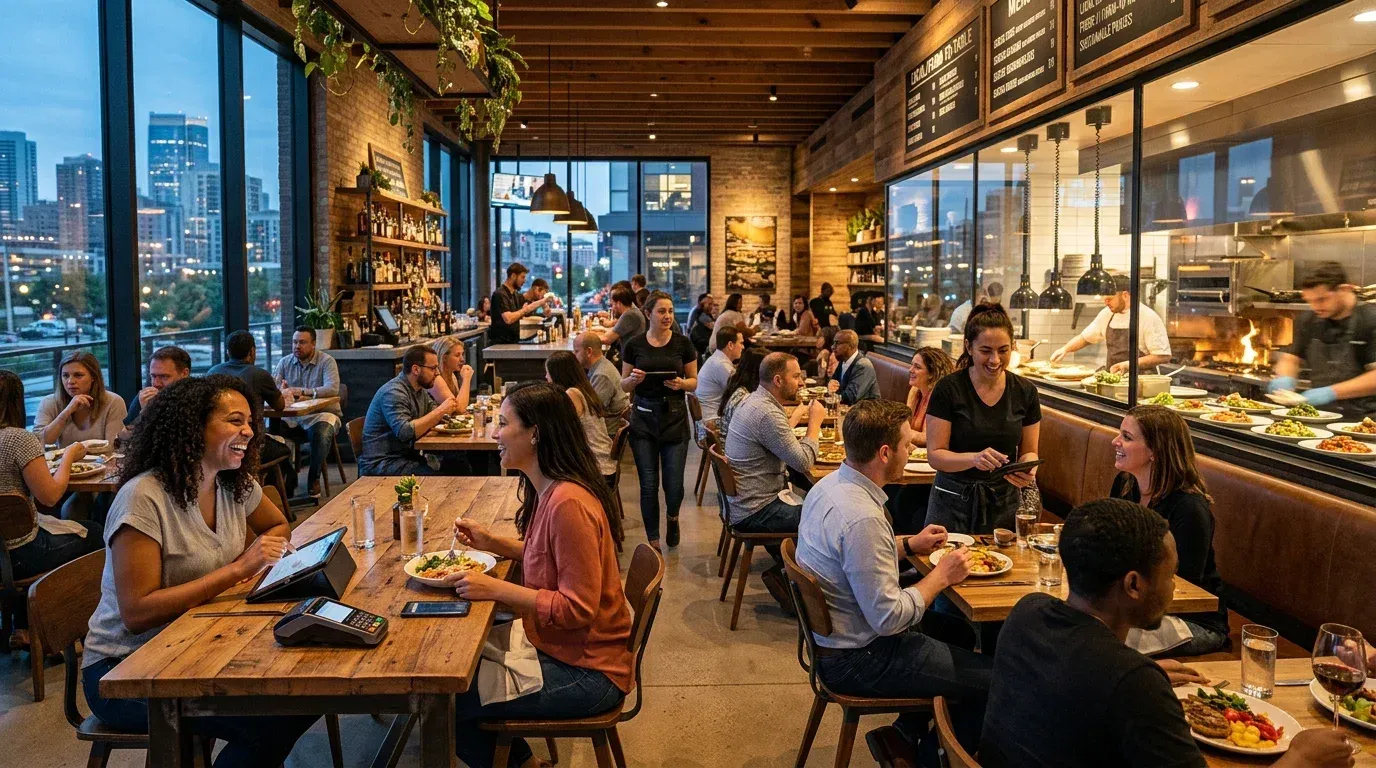
Restaurants in the US are embracing technology, sustainability, and global cuisines at an unprecedented pace. Digital ordering systems, contactless payments, and AI-driven personalization now define the modern dining experience, while Restaurant Week events in major cities boost visibility and revenue. These trends reflect both consumer demand for convenience and operators' need for operational efficiency in a competitive market.
Introduction
The restaurant industry remains one of the most dynamic sectors of the American economy. Restaurants in the US generate over $1 trillion annually and employ millions across the country. From bustling urban centers to suburban neighborhoods, dining establishments serve as cultural hubs that reflect the nation's diversity and innovation.
This article examines how restaurants in the US navigate current challenges and opportunities. We explore major culinary scenes in New York City and San Diego, the impact of technology and smart cities dining, investment patterns, and the role of immigration in shaping the workforce. Whether you are an operator, investor, or simply a food enthusiast, understanding these developments provides valuable context for the future of American dining.
The Rise of NYC Restaurant Week 2025
NYC Restaurant Week 2025 promises to be one of the most anticipated culinary events of the year. The initiative allows diners to enjoy prix-fixe menus at hundreds of participating restaurants at discounted prices, making fine dining accessible to a broader audience. Organizers have integrated Technology's Role in Enhancing Restaurant Week Experiences through improved reservation platforms and digital discovery tools.
The event highlights both established institutions and emerging concepts across all five boroughs. Restaurants use the exposure to introduce new dishes, test market demand, and increase off-peak bookings. For many operators, NYC Restaurant Week 2025 represents a critical revenue opportunity following years of fluctuating consumer behavior post-pandemic.
Smart Cities Dining and Technology Integration
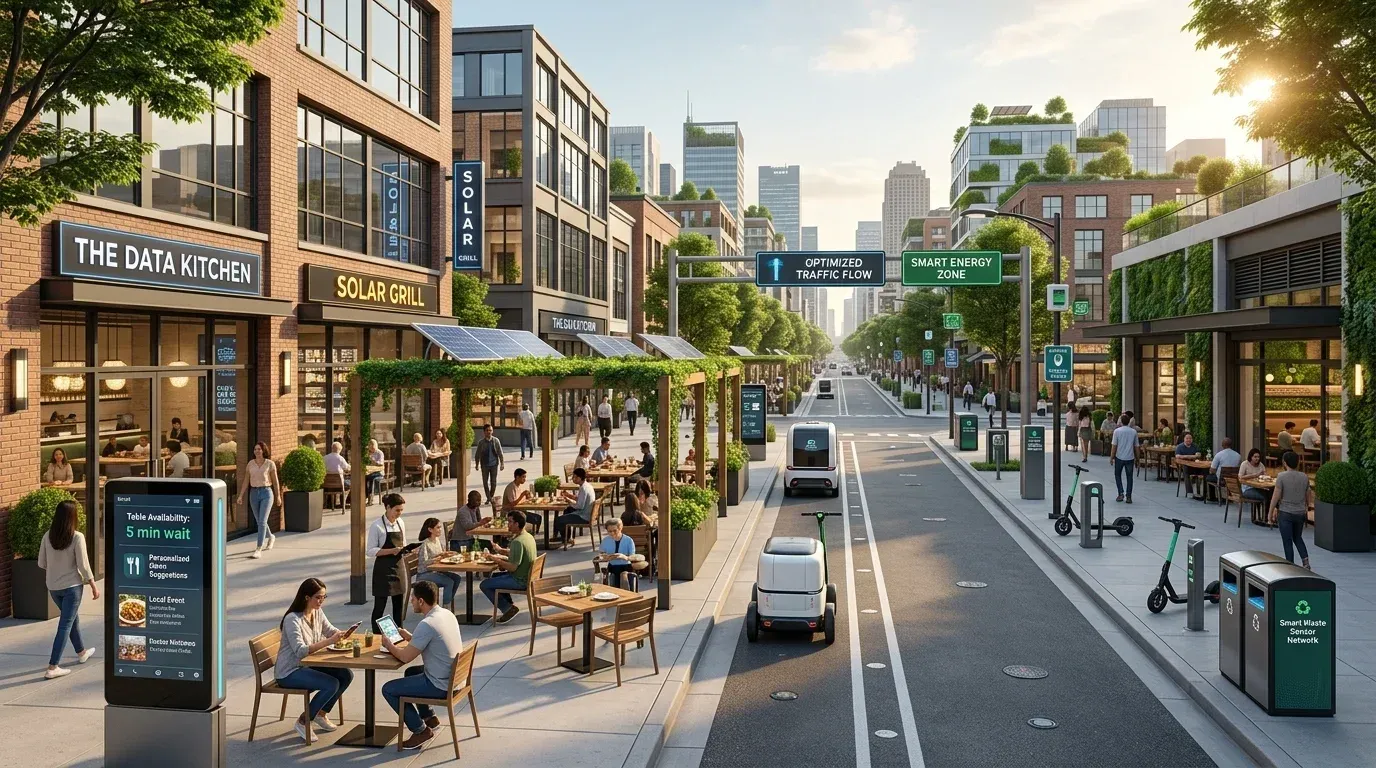
Smart cities dining represents the convergence of urban planning, technology, and gastronomy. Municipalities are investing in infrastructure that supports seamless restaurant operations through better traffic management, sustainable energy solutions, and data-driven insights. The Role of Smart Cities in Enhancing Dining Experiences has become particularly evident in cities implementing IoT sensors for waste management and energy monitoring.
Restaurants in the US located within smart city districts report improved operational efficiency and customer satisfaction. Digital platforms now allow real-time table availability, personalized recommendations, and contactless experiences that align with modern consumer expectations. These innovations help restaurants reduce costs while creating more sustainable business models.
Immigration Policies and Their Impact on Restaurant Operations
Recent immigration raid san diego restaurant incidents have highlighted the industry's heavy reliance on immigrant labor. Many establishments in California and across the Southwest face staffing shortages when enforcement actions occur. The article How Immigration Policies Affect the Restaurant Business in San Diego details how these policies directly influence operational stability and menu authenticity.
Immigrant entrepreneurs and workers bring essential culinary knowledge and work ethic to restaurants in the US. Their contributions extend beyond the kitchen to business ownership, with many successful concepts founded by first or second-generation Americans. Industry leaders continue advocating for comprehensive immigration reform that recognizes the sector's unique labor needs.
Investment Opportunities in NYC's Restaurant Sector
Investment in nyc restaurants has shown remarkable resilience despite economic headwinds. Private equity firms, celebrity investors, and real estate developers continue to back both established brands and innovative concepts. The report Investment Opportunities in NYC's Diverse Restaurant Sector outlines promising areas ranging from fast-casual health concepts to high-end experiential dining.
Investment Strategies for Emerging Restaurant Trends in NYC emphasizes the importance of understanding demographic shifts and neighborhood development. Investors increasingly look for operators who demonstrate strong digital capabilities and clear paths to scalability. Those who successfully blend culinary excellence with operational sophistication tend to attract the most significant funding.
Popular International Cuisines in New York City
New York City remains America's preeminent destination for authentic international cuisine. The Italian restaurant nyc scene continues to thrive, as explored in Italian Cuisine's Economic Impact on NYC's Restaurant Scene. Establishments range from century-old red sauce institutions to modern interpretations focusing on regional Italian specialties.
Japanese restaurant nyc options have expanded dramatically, with the Rise of Japanese Restaurants in NYC and Their Cultural Impact showing how sushi, ramen, and izakaya concepts have influenced broader dining trends. Similarly, Greek restaurant nyc venues are modernizing traditional flavors while incorporating smart city innovations, according to research on How Greek Restaurants in NYC are Adapting to Smart City Innovations.
Korean restaurant nyc continues gaining popularity with both traditional barbecue and modern fusion concepts. French restaurant nyc maintains its prestige through classic techniques and contemporary interpretations, with The Evolution of French Cuisine and Its Cultural Significance in NYC providing deeper historical context.
Hip restaurant nyc concepts often blend multiple influences, creating unique experiences that attract younger diners and social media attention. These establishments frequently lead innovation in both menu development and guest experience design.
Restaurant Week San Diego and Regional Events
While New York garners much attention, Restaurant Week San Diego demonstrates the strength of regional dining scenes. The event showcases coastal California cuisine alongside international influences that reflect the city's diverse population. Local operators use these promotions to highlight seasonal ingredients and support tourism throughout the region.
These targeted events help independent restaurants compete with national chains by creating urgency and exclusivity. They also provide valuable data about consumer preferences that operators can apply throughout the year.
- Technology adoption rates vary significantly between independent restaurants and large chains
- Sustainability practices now influence both consumer choice and investor decisions
- Labor costs continue rising, pushing operators toward automation and operational efficiencies
- Delivery and third-party platforms remain important revenue channels despite high commission rates
- Experiential dining concepts that offer entertainment alongside meals show particularly strong growth
- Ghost kitchens and virtual brands continue expanding as operators seek to reduce overhead costs
Key Considerations for Dining and Investing in US Restaurants
- Research local demographics and competition before opening or investing in any concept
- Prioritize digital infrastructure from day one, including robust reservation and ordering systems
- Develop clear differentiation strategies that leverage cuisine, experience, or location advantages
- Build relationships with local suppliers and understand seasonal availability of ingredients
- Create comprehensive staff training programs that emphasize both technical skills and hospitality
- Monitor industry reports and adapt quickly to changing consumer preferences and economic conditions
- Consider smart cities dining advantages when selecting future expansion locations
FAQ
Q: What is NYC Restaurant Week 2025 and how does it benefit diners?
A: NYC Restaurant Week 2025 offers prix-fixe menus at hundreds of restaurants at reduced prices, making high-quality dining more accessible while helping operators increase revenue during slower periods.
Q: How are smart cities dining initiatives changing the restaurant experience?
A: Smart cities dining uses technology and data to improve operations, reduce environmental impact, and create more personalized guest experiences through better infrastructure and digital integration.
Q: Which international cuisines are most popular in New York City right now?
A: Italian, Japanese, Greek, Korean, and French restaurants remain extremely popular, alongside a growing interest in regional American concepts and creative fusion establishments.
Q: How do immigration policies affect restaurants in the US?
A: Immigration policies significantly impact staffing availability, particularly in cities like San Diego where raids have disrupted operations, highlighting the industry's dependence on immigrant labor at all levels.
Q: Is investing in NYC restaurants still profitable in 2025?
A: Yes, strategic investments in well-positioned concepts with strong digital capabilities and clear differentiation continue to deliver solid returns, especially those aligned with current consumer trends toward sustainability and experience.
What should you consider before visiting or investing in restaurants in the US?
When exploring restaurants in the US, consider location, cuisine type, current technology integration, and alignment with broader industry trends. Research specific events like NYC Restaurant Week 2025 or Restaurant Week San Diego to maximize value and discover emerging concepts. For investors, focus on operators who demonstrate adaptability, technological sophistication, and deep understanding of their target markets.


