
resources
Exploring the Population of UK Cities: A 2025 Overview
26 Jul 2025

Hey everyone! Thinking about the population of UK cities in 2025? It’s a pretty interesting topic, right? Cities are always changing, and understanding who lives where, and why, tells us a lot about the country as a whole. We’re going to take a look at the big picture, what’s happening in major cities, and what might happen next. It’s not just about numbers; it’s about the people and the places they call home.
Key Takeaways
- London is still the biggest city, and it’s not really a surprise.
- Other cities like Birmingham and Manchester are growing too, showing a trend of people moving to urban areas.
- Jobs are a major reason people move to cities, so economic health is super important.
- Cities have to figure out how to handle more people, especially with housing and transport.
- We can expect UK cities to keep growing, but how much depends on lots of different things.
Understanding UK Cities Population Trends in 2025
Understanding Population Dynamics
So, what’s the deal with how UK city populations are changing? It’s not just about more people showing up. It’s about who is moving, where they’re going, and why. Birth rates, death rates, and migration all play a role. These things combine to create a complex demographic landscape. Understanding these dynamics is key to figuring out what our cities will look like in the next few years.
Key Takeaways
If you just want the main points, here they are:
- Cities are still growing, but the rate might be slowing down in some areas.
- London remains the biggest, but other cities are catching up.
- Job opportunities are a huge factor in where people choose to live.
- Housing costs are a major concern, especially for young people.
The economic vitality of these cities is crucial for the UK’s overall prosperity. They serve as centers for job creation, innovation, and investment, contributing significantly to the national GDP.
Here’s a quick look at some population figures:
<table>
<thead>
<tr>
<th>City</th>
<th>Population (2025 Projection)</th>
</tr>
</thead>
<tbody>
<tr>
<td>London</td>
<td>(Hypothetical Data)</td>
</tr>
<tr>
<td>Birmingham</td>
<td>(Hypothetical Data)</td>
</tr>
<tr>
<td>Manchester</td>
<td>(Hypothetical Data)</td>
</tr>
</tbody>
</table>
So, what makes cities grow? It’s a mix of things, really. Job opportunities are a big draw; cities tend to have more diverse and higher-paying jobs than rural areas. Plus, things like good schools, hospitals, and cultural attractions play a role. And don’t forget about migration – people moving from other countries or smaller towns to chase better lives. The UK’s growth potential is centered in its cities.
Overview of Major Cities in the UK
When we talk about the UK’s population, certain cities really stand out. It’s not just about how many people live there right now, but also how these places are changing and what makes them tick. Understanding population dynamics means looking at birth rates, death rates, and, importantly, migration – how many people are moving in and out.
London’s Dominance
Let’s start with the big one: London. It’s undeniably the UK’s largest city, and by a significant margin. Its population is substantially larger than any other urban area in the country. London isn’t just a population center; it’s a global hub for finance, culture, and new ideas. This constant draw for jobs and opportunities, combined with international migration, fuels its growth. You can see the effects of <a>London’s growth</a> in its ever-expanding infrastructure and the diverse communities that call it home.
Other Major Urban Centers
Beyond London, cities like Birmingham and Glasgow are major players. Birmingham, with its strong industrial roots, has really shifted into a key spot for business and commerce. Glasgow, the largest city in Scotland, is celebrated for its vibrant cultural scene and its historical contributions to industries like shipbuilding and engineering. These cities are vital to the UK’s economy and offer unique cultural experiences.
Here’s a quick look at some of the top cities:
- Birmingham: A strong center for manufacturing and business services.
- Glasgow: Known for its rich culture and industrial history.
- Manchester: A growing hub for tech and media industries.
- Liverpool: Significant for its cultural heritage and port.
- Leeds: A major financial and commercial center.
| City | Estimated Population (2025) |
|---|---|
| London | 9,000,000+ |
| Birmingham | 1,200,000+ |
| Glasgow | 630,000+ |
| Liverpool | 580,000+ |
| Leeds | 500,000+ |
These figures don’t just count residents; they also reflect the daily movement of commuters and visitors, which really impacts city services and infrastructure.
Economic Contributions of Cities
These major UK cities are economic powerhouses. They drive innovation, trade, and create jobs. Each city has its own special strengths:
- London: A global financial center, attracting international investment and talent.
- Manchester: Developing strong tech and media sectors, alongside a thriving creative industry.
- Birmingham: Its manufacturing background is evolving into advanced engineering and business services.
The economic strength of these cities is really important for the UK’s overall success. They create jobs, encourage new ideas, and attract investment, all of which contribute a lot to the national economy.
These places are also rich in culture and history. Think about the landmarks that define them, from historic buildings to modern attractions, each adding to the city’s unique character and appeal.
Population Trends and Projections
Future Growth Predictions
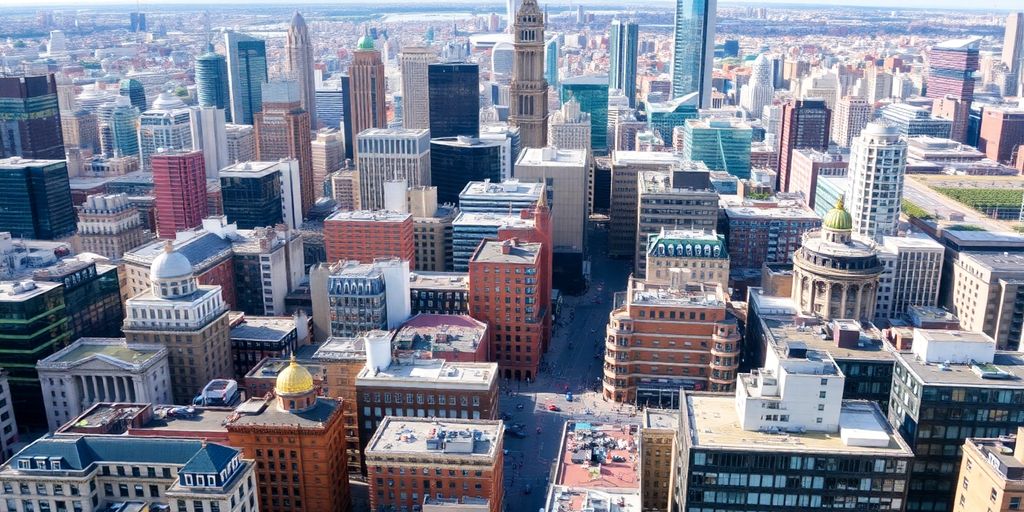
Looking ahead, the trajectory of UK cities is largely defined by their population dynamics. The UK’s growth potential is centered in its cities. While precise figures are always subject to change, current trends suggest continued expansion in urban centers. Understanding these shifts is key for planning everything from public services to infrastructure development.
Here’s a look at some projected population changes for major urban areas:
| City | Projected Population Change (2025-2030) |
|---|---|
| London | +350,000 |
| Birmingham | +75,000 |
| Manchester | +60,000 |
| Glasgow | +40,000 |
| Liverpool | +35,000 |
Factors Influencing Urban Growth
Several elements contribute to the growth patterns observed in UK cities. Economic vitality, driven by job availability and industry presence, is a primary factor. Cities that offer diverse employment opportunities tend to attract more residents. Beyond jobs, the overall quality of life, including access to education, healthcare, cultural activities, and green spaces, plays a significant role in drawing and retaining populations. Migration, both internal and international, also shapes urban demographics, as people move to areas perceived to offer better prospects or a higher standard of living. These factors combine to influence the growth and development of major urban areas across England, Scotland, and Wales.
It’s important to remember that these figures are projections, not exact predictions. They are based on current trends and assumptions about future events like birth rates, death rates, and migration patterns. Small shifts in these underlying factors can lead to noticeable differences in the final population numbers.
Factors Driving City Growth
So, what’s making UK cities expand? It’s a combination of things, really. For starters, job opportunities are a massive pull. Cities generally offer a wider variety of jobs and often better pay compared to smaller towns or rural areas. It’s not just about having a job, but the types of jobs available, from tech and finance to creative industries and public services. This economic vitality creates a strong draw for people looking to build a career.
Beyond work, the quality of life and available amenities play a big part. Think about access to good schools for families, modern hospitals for healthcare, and a rich cultural scene with museums, theaters, and restaurants. These factors contribute to making a city an attractive place to live, not just to work. People are looking for places that offer a well-rounded lifestyle.
Migration patterns are also a significant driver. Both internal migration, where people move from one part of the UK to another, and international immigration contribute to city populations. Cities often act as hubs for newcomers seeking new opportunities and a fresh start. Understanding these city populations is key to grasping these dynamics.
Here are some key factors influencing urban growth:
- Job Opportunities and Economic Vitality: Cities concentrate industries and innovation, leading to more diverse and often higher-paying employment.
- Quality of Life and Amenities: Access to good education, healthcare, cultural attractions, and recreational facilities makes cities desirable places to live.
- Migration Patterns: Both domestic and international migration significantly contribute to the population growth of urban centers.
The way people are changing and moving into UK cities shows that we need to come up with new ways to plan our cities. Cities need to find a balance between growing and staying sustainable so that everyone can have a good life.
Challenges and Opportunities in Urban Expansion
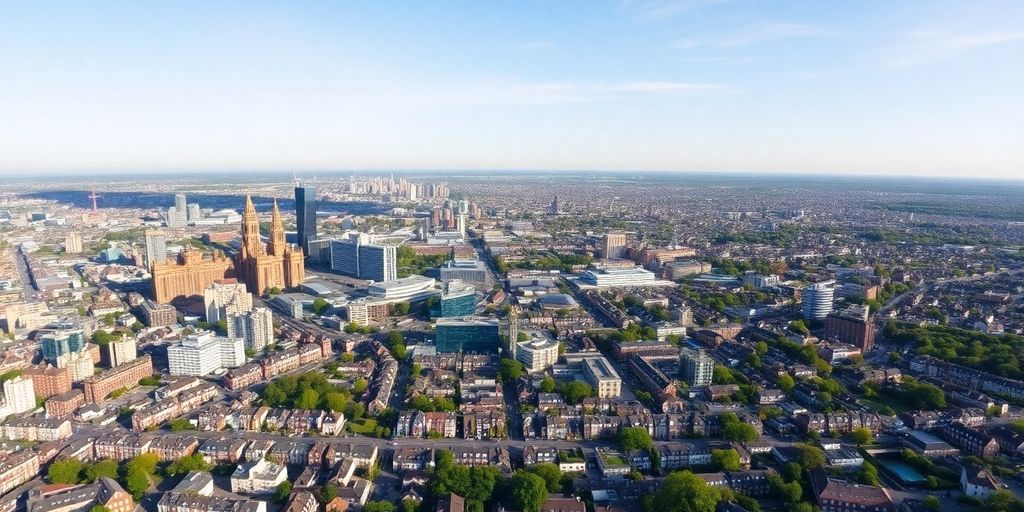
When cities grow, it’s good for the economy and culture, but it also makes some problems worse that we need to think about and fix. More people in a city means more problems, right? It’s not always easy. Finding a place to live and getting around can be hard. One of the biggest problems is that there’s not enough housing, which makes <a>property prices</a> go way up. It’s getting harder for people to find places they can afford.
Housing and Infrastructure Demands
Finding enough places for people to live is a huge headache for cities. The demand for housing keeps going up, but building new homes can be slow and expensive. This leads to higher prices and rents, making it tough for people to find affordable places to live. Cities need to get creative with housing solutions, like building more apartments, converting old buildings, and finding ways to make housing more affordable for everyone. More people living in cities also means more need for infrastructure. This includes transportation networks, utilities, and communication systems. Getting infrastructure right is key to <a>sustainable city development</a>.
Sustainable Urban Development
Cities need to grow in a way that doesn’t wreck the planet. This means thinking about things like energy use, pollution, and waste. <a>Household projections</a> are important, but so is making cities greener and more sustainable. Here are some ways cities can do this:
- Investing in renewable energy sources, like solar and wind.
- Creating more green spaces, like parks and gardens.
- Improving public transportation to reduce traffic congestion.
It’s about finding a balance between growing and protecting the environment. Cities need to come up with new ways to plan our cities. Cities need to find a balance between growing and staying sustainable so that everyone can have a good life.
Addressing Congestion and Livability
Urban growth, while bringing economic and cultural benefits, also presents significant challenges that need careful consideration and proactive solutions. Let’s be real, more people crammed into a city means more problems, right? It’s not all sunshine and roses. From finding a place to live to just getting around, things can get pretty tough. One of the most pressing issues is the increasing demand for housing, which often leads to skyrocketing property prices and rents. It’s getting harder and harder for people to find affordable places to live. The <a>household projections</a> will be released soon, so we can get a better idea of the future. Developing new towns in England offers a strategic chance to promote the government’s objective of achieving balanced economic growth across the country.
Anticipated Population Changes by 2025
Projected Growth Figures
Looking ahead to 2025, the UK’s urban centers are expected to see continued, albeit varied, population shifts. While precise figures for the entirety of 2025 are still being refined, trends suggest a steady increase in many major cities. For instance, projections indicate that cities like Manchester and Birmingham could experience notable growth, driven by factors such as job availability and quality of life improvements. This growth is not uniform across all urban areas, with some smaller cities potentially seeing slower or even negative population changes. Understanding these projected figures is key for local authorities and urban planners to prepare for the future. According to an Office for National Statistics forecast published in late June 2025, several English cities are projected to experience significant population growth by 2032.
Factors Influencing Future Numbers
Several elements will shape the population landscape of UK cities by 2025. Economic vitality remains a primary driver; cities with strong job markets, particularly in sectors like technology and services, tend to attract more residents. The availability and affordability of housing also play a significant role. Cities that can offer a good balance of job opportunities and a reasonable cost of living are likely to see the most substantial increases. Furthermore, migration patterns, both internal and international, will continue to influence city populations.
- Economic Opportunities: Cities with robust employment sectors draw in new residents seeking work.
- Housing Market: The availability and cost of housing significantly impact where people choose to live.
- Quality of Life: Access to amenities, green spaces, and cultural attractions makes cities more appealing.
- Infrastructure Development: Improvements in transport and public services can make cities more accessible and desirable.
The dynamic nature of population change means that planning must be adaptable. Factors like new transport links or major business relocations can quickly alter demographic trends within a city.
Wrapping Up: What 2025 Holds for UK Cities
So, as we wrap up our look at UK city populations, it’s pretty clear these places are always changing. From the busy streets of London to the unique feel of Edinburgh, every city has its own story. The shifts we’re seeing in these cities show bigger trends in how people live and work. Looking ahead to 2025, it’s good to get a handle on these changes, because they bring both tough spots and chances for growth. Whether you’re thinking about visiting, moving, or just curious, UK cities have a lot going on. They mix old history with new life, and there’s always something new to find.
Frequently Asked Questions
Why is London the biggest city in the UK?
London is the UK’s largest city because it offers lots of jobs, great schools, and exciting things to do. Its long history and vibrant culture also attract people from all over.
What are the biggest cities in the UK by population?
The largest cities in the UK by population are London, Birmingham, Glasgow, Liverpool, and Manchester.
What makes cities grow?
Cities grow for many reasons, like more job openings, good schools, and fun cultural spots. Also, people moving in from other places or smaller towns helps them get bigger.
What are the pros and cons of living in a large UK city?
Living in a big city can be exciting with lots of chances for jobs and fun. But it can also mean higher costs for living and more traffic. It’s a mix of good and bad.
How are UK cities handling their growth?
The government and city planners are working on making sure there are enough homes, improving transportation, and making cities greener. They want cities to be good places to live for everyone.
What’s expected for UK city populations in 2025?
Looking ahead to 2025, experts believe UK cities will keep growing, especially in areas with strong job markets. This growth will bring both new chances and some challenges.


