
resources
Defining the Largest City in the World by Area: An In-Depth Look
26 Jul 2025

So, you want to know about the biggest cities on Earth, right? It’s not as simple as just pointing at a map and saying ‘that one.’ We’re talking about places that are huge, not just in land, but in people and influence too. These massive urban areas, often called megacities, are where a lot of the world’s action happens, but they also come with some serious challenges. We’ll take a look at what makes a city ‘big’ and check out some of the top contenders for the title of the largest city in the world by area.
Key Takeaways
- Figuring out the ‘largest city’ means looking beyond just city limits, often considering the wider metropolitan area or urban agglomeration.
- Asia is home to many of the world’s largest urban centers, with cities like Tokyo, Shanghai, Delhi, Guangzhou, and Jakarta frequently topping the lists.
- These megacities, while economic powerhouses, face significant hurdles with housing, transportation, and keeping things sustainable.
- Technology and smart planning are key to managing growth, from optimizing traffic to using green energy.
- The idea of a ‘global city’ is changing; these massive urban areas are vital for the world’s economy and will continue to shape our future.
Understanding the Scope of Urban Giants
When we talk about the "largest city in the world," it’s not as straightforward as it sounds. Think about it – what exactly are we measuring? Are we looking at the number of people living within official city limits, or the sprawling suburbs that most people consider part of the city? It’s a question that has many different answers depending on how you define it.
Defining "Largest City"
Trying to pin down the single largest city by area can be tricky because definitions vary. Some might look at the administrative boundaries, which are set by governments. Others might consider the continuously built-up area, where you can walk from one building to the next without hitting open countryside. The way a city is defined significantly impacts its perceived size. It’s like trying to measure a cloud; the edges are always a bit fuzzy.
Metropolitan Area vs. City Proper
This is where things get really interesting. The "city proper" usually refers to the area within the legally defined boundaries of a city. It’s the official city government’s jurisdiction. But most people don’t just live and work within those lines. They live in the surrounding suburbs and towns that are economically and socially tied to the central city. This larger, interconnected region is known as the metropolitan area. For example, the population of the city proper of a major city might be a few million, but its metropolitan area could easily be double or triple that. Understanding this difference is key to grasping the true scale of these urban centers. Many lists of the largest cities focus on these metropolitan areas because they better represent the actual urban footprint.
Urban Agglomerations and Their Significance
Another way to look at city size is through the concept of an urban agglomeration. This includes the city proper and the suburban areas that are physically contiguous, meaning they are connected by continuous urban development. It’s a way to capture the full extent of the built-up environment, regardless of administrative borders. Urban agglomerations are significant because they represent the actual physical concentration of people and economic activity. They often paint a clearer picture of a city’s influence and its impact on the surrounding region. These agglomerations are what many researchers use when comparing the scale of different global cities.
Identifying the World’s Largest Cities by Area
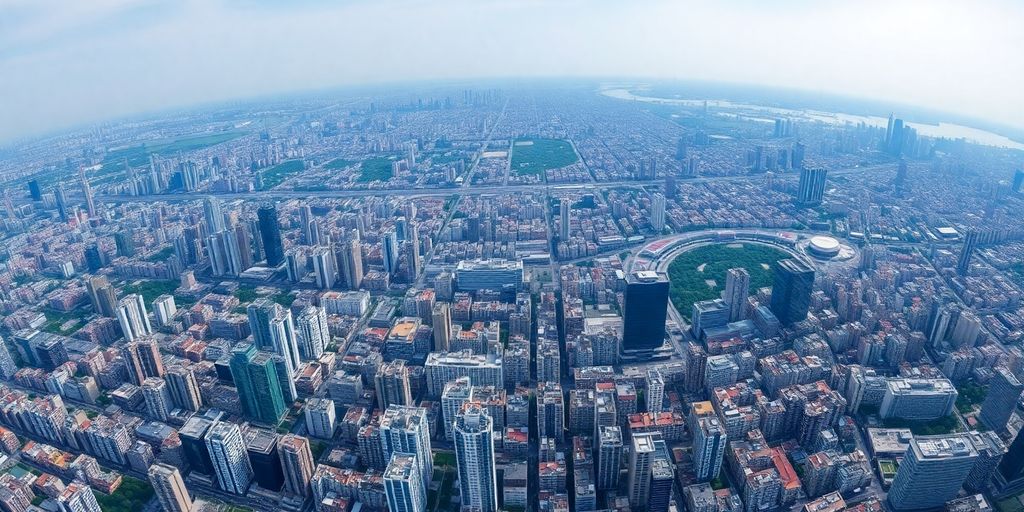
When we talk about the biggest cities on Earth, it’s not always straightforward. What exactly makes a city the "largest"? Is it the number of people living within official city limits, or does it include all the surrounding suburbs and towns that are closely connected? This is where terms like "metropolitan area" and "urban agglomeration" come into play. A metropolitan area often includes the main city plus its surrounding commuter towns and economically linked regions. An urban agglomeration, on the other hand, refers to the continuously built-up area, regardless of administrative boundaries. For our purposes in understanding the scale of these urban giants, we’ll focus on the metropolitan area, as it gives a more complete picture of a city’s true reach and influence.
Common Characteristics of Megacities
The world’s largest cities, often called megacities, tend to share a few common traits. They are usually places experiencing rapid population growth, which can put a strain on infrastructure like roads, public transport, and housing. These cities are also incredibly diverse, bringing together people from many different backgrounds and cultures. Despite the challenges that come with such massive populations, these urban centers are powerhouses for the global economy and are often at the forefront of new ideas and cultural trends.
Geographical Distribution of Major Urban Centers
While megacities are found all over the globe, there’s a noticeable concentration in certain regions. Asia, in particular, is home to a significant number of the world’s largest urban areas. This distribution is often linked to historical development patterns, economic opportunities, and population trends over many decades. Understanding where these massive cities are located helps us grasp the global distribution of economic and demographic power.
Asia’s Dominance in Global Megacities
Asia’s leading role in hosting the world’s largest cities is quite striking. Factors like high birth rates in some countries, significant rural-to-urban migration, and strong economic growth have fueled the expansion of Asian urban centers. Cities like Tokyo, Delhi, and Shanghai are not just large in population but also in their economic output and cultural impact, making them key players on the world stage. It’s fascinating to see how these urban areas continue to grow and evolve.
| City | Country | Metropolitan Population (Approx.) |
|---|---|---|
| Tokyo | Japan | 37 million |
| Delhi | India | 32 million |
| Shanghai | China | 28 million |
| Jakarta | Indonesia | 27 million |
The sheer scale of these urban areas presents unique challenges, from managing traffic flow to providing adequate housing and services for millions of residents. Yet, they also represent incredible hubs of innovation and economic activity that shape our world.
Key Contenders for Largest City Status
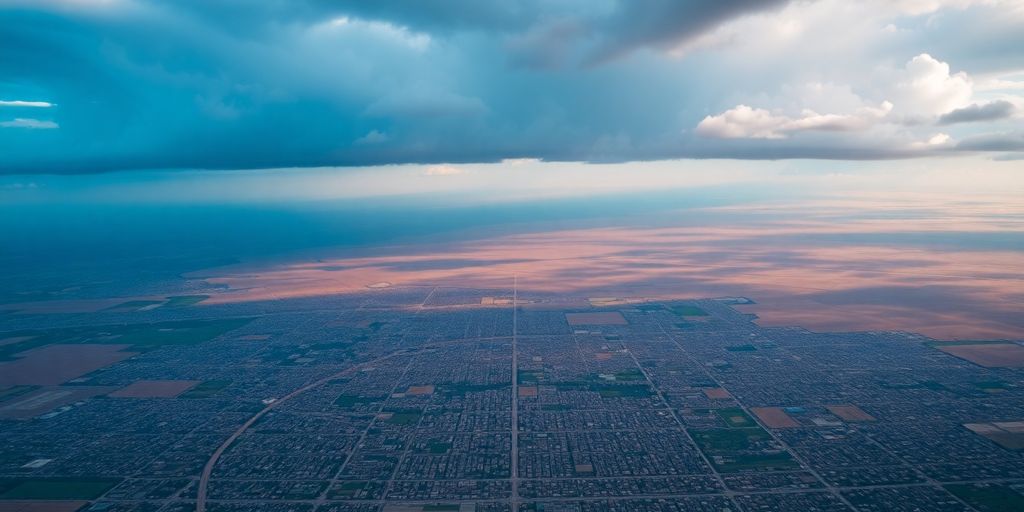
When we talk about the biggest cities on Earth, it’s easy to get lost in the numbers. But beyond just population counts, some cities stand out due to their sheer physical size and the vast areas they encompass. These urban giants are often sprawling metropolises that blend dense city centers with extensive suburban and even rural peripheries, all interconnected in complex ways. Understanding these massive urban areas requires looking at more than just the downtown core.
Tokyo: A Global Hub of Innovation
Tokyo, often cited as the world’s most populous metropolitan area, is also a significant contender when considering urban sprawl. Its influence extends far beyond its administrative boundaries, creating a massive, interconnected region. The Greater Tokyo Area is a powerhouse of economic activity and technological advancement, drawing people and businesses from all over the globe. Its sheer scale makes it a prime example of a modern megacity.
Shanghai’s Rapid Expansion
Shanghai is another city that has seen incredible growth, transforming itself into a global financial and economic center. Its development has been marked by rapid urbanization and expansion, pushing its boundaries outward. The city’s infrastructure development is a testament to its ambition, aiming to support its ever-growing population and economic output.
Delhi’s Growing Influence
Delhi, the capital region of India, is a rapidly expanding urban agglomeration. It’s not just a political center but also a major economic and cultural hub. The sheer number of people living in and around Delhi, coupled with its expanding physical footprint, makes it a key player in discussions about the world’s largest cities. Its growth presents both opportunities and significant challenges for urban planners.
Jakarta’s Urban Dynamics
Jakarta, the capital of Indonesia, is a sprawling coastal metropolis facing unique challenges, including land subsidence and rapid population growth. Its urban dynamics are complex, with a dense core surrounded by a vast metropolitan region. The city’s continuous expansion and the sheer number of people who call it home place it firmly on the list of major urban centers to watch.
Challenges and Innovations in Megacity Development
Living in or near one of the world’s largest cities, often called megacities, comes with a unique set of hurdles. These massive urban areas, while centers of opportunity, also face significant strain on their resources and infrastructure. Think about it: millions of people all needing housing, transportation, and public services, often in areas that are growing faster than they can keep up. It’s a constant balancing act.
Addressing Urban Density and Infrastructure
One of the biggest issues is simply the sheer number of people packed into a relatively small space. This high population density puts immense pressure on everything from roads and public transit to water supply and waste disposal. Many cities are dealing with aging infrastructure that wasn’t built for today’s populations, leading to traffic jams, service disruptions, and a general feeling of being overcrowded. It’s a complex problem that requires smart, long-term solutions.
Implementing Smart City Technologies
To combat these issues, cities are increasingly turning to technology. Smart city initiatives aim to use data and digital tools to make urban living more efficient. This can mean using sensors to manage traffic flow in real-time, optimizing energy consumption in buildings, or improving how public services are delivered. The goal is to make the city run more smoothly and be more responsive to the needs of its residents. For example, some cities are using smart traffic management systems to reduce commute times.
Promoting Sustainable Urban Planning
Beyond technology, there’s a big push for more sustainable ways of building and living. This involves incorporating green spaces, like urban forests and green roofs, to help with air quality and reduce the heat island effect. It also means looking at renewable energy sources for powering the city and developing better waste management and recycling programs. The idea is to make these huge urban areas more environmentally friendly and livable for the long haul. This focus on sustainable urban planning is key for the future.
Enhancing Urban Resilience
Finally, megacities need to be prepared for the unexpected, especially with climate change becoming a bigger concern. This means planning for things like extreme weather events, rising sea levels, and other potential disasters. Cities are working on improving flood defenses, developing better emergency response systems, and making sure critical infrastructure can withstand disruptions. Building this kind of urban resilience helps protect residents and keeps the city functioning even when faced with challenges.
The sheer scale of megacities presents a unique set of problems, but also incredible opportunities for innovation. Finding ways to manage growth, improve quality of life, and protect the environment is what urban development is all about.
The Evolving Landscape of Global Urban Centers
As the world’s population continues to grow, cities are becoming even more important. They are where most people live now, and they drive a lot of the economy and culture. It’s not just about a few big cities anymore; the picture is changing.
Rethinking the Concept of a Global City
The idea of what makes a city
The Ever-Expanding Urban Landscape
So, we’ve looked at what makes a city ‘large’ and explored some of the biggest ones out there. It’s pretty clear that defining the absolute largest city by area isn’t a simple task, as boundaries can be tricky. What we do know is that these massive urban centers, whether you call them megacities or something else, are where a lot of the action is happening. They’re hubs for new ideas and economic activity, but they also deal with some pretty big challenges, like getting around and keeping things green. As these cities keep growing, they’ll definitely keep shaping our world in big ways.
Frequently Asked Questions
What makes a city the “largest”?
When we talk about the “largest” city, we usually mean the one with the most people living in its wider area, not just the city center. This includes the suburbs and nearby towns that are connected to the main city. It’s like looking at the whole neighborhood, not just one house.
Where are the biggest cities in the world located?
Cities are getting bigger! Many of the world’s biggest cities are in Asia, like Tokyo, Shanghai, and Delhi. These huge cities are important for business and culture, but they also have a lot of challenges to deal with.
Is Tokyo the largest city in the world?
Yes, Tokyo is often considered the biggest city in the world because it has the most people living in its metropolitan area. It’s a major center for money, technology, and culture, and it’s known for its great public transportation.
What are some problems big cities face?
Big cities face many issues, such as too many people in one place, needing better roads and transport, and how to protect the environment. They are trying to solve these problems by using technology and planning smarter.
How are cities trying to solve their problems?
Cities are using new ideas like “smart city” technology, which uses data to make things like traffic and energy work better. They are also trying to be more eco-friendly by planting more trees and using clean energy.
Why are big cities important for the future?
As cities keep growing, they become even more important for the world’s economy and new ideas. It’s important for cities all over the world to work together and plan carefully to handle their growth and stay healthy places to live.


