
resources
Discover the Top 10 Largest UK Cities in 2025
26 Jul 2025

Ever wonder which cities in the UK are the biggest? It’s pretty interesting how some places just keep growing, while others stay about the same size but still hold a top spot. London, for example, is way out in front—no other city even comes close. This article will show you the top 10 largest UK cities by population, based on the most recent numbers. You might see some familiar names, and maybe a few surprises too. These numbers really show where people are choosing to live, work, and build their lives in 2025. Let’s look at the data and see which urban areas are truly massive.
Key Takeaways
- London is the largest UK city by a significant margin.
- The top 10 largest UK cities include major urban areas like Manchester and Birmingham.
- Population figures reflect where people are choosing to live and work in 2025.
- Some cities maintain their high rankings, while others show notable growth.
- The list highlights the most populated urban centers across the UK.
1. London
London, the capital of England and the United Kingdom, is the largest city in the UK by a considerable margin. Its history goes back two thousand years, starting as Londinium, a Roman settlement. Today, it’s a busy, varied city that attracts people from all over the world. The city’s population was estimated at nearly 9.8 million people in 2023, making it one of Europe’s most populous cities.
London is a major global hub for finance, arts, fashion, and education. It has many famous landmarks that draw millions of tourists every year. Think of places like the Tower of London, St. Paul’s Cathedral, and Buckingham Palace. Besides historical sites, London also has modern infrastructure, including the world’s oldest underground train system and Heathrow Airport, one of the busiest airports globally.
The sheer scale of London’s population and its continuous growth highlight its role as a magnet for opportunity and culture. This growth isn’t just about numbers; it reflects the city’s dynamic nature and its ability to adapt and evolve over centuries, maintaining its status as a leading global city.
London’s influence reaches far beyond its borders, affecting global trends in many areas. Its lively economy and varied population create a unique city experience. The city’s extensive public transport system, including the London Underground, helps connect its large urban area, making it relatively easy to travel around despite its size.
Here’s a look at London’s population over recent years:
| Year | Population (approx.) |
|---|---|
| 2020 | 9,000,000 |
| 2021 | 9,100,000 |
| 2022 | 9,500,000 |
| 2023 | 9,800,000 |
London’s ongoing growth is due to several factors:
- Economic Opportunities: A strong job market across many industries.
- Cultural Diversity: A rich mix of cultures, languages, and traditions.
- Educational Institutions: Universities and colleges known worldwide.
- Global Connectivity: Excellent transport links to the rest of the UK and the world.
2. Birmingham
Birmingham, often referred to as England’s "second city," is a major metropolitan area situated roughly 100 miles north of London. Its origins trace back nearly 10,000 years, with its name derived from an Anglo-Saxon tribal leader named Beorma. The city’s significant growth phase began during the Industrial Revolution, earning it the title of the world’s first manufacturing town by the late 18th century. This era of intense industrial activity profoundly shaped Birmingham’s identity and infrastructure. Its central location within England has historically been a key factor in its development, transforming it into a hub for trade and industry that attracted people from across the country and beyond.
Population and Demographics
Birmingham’s population is notably diverse, a result of centuries of migration and settlement. The city generally has a younger demographic compared to the national average, and it is recognized for its multicultural communities. This variety contributes to the city’s lively atmosphere, influencing its culinary, musical, and artistic expressions.
Economic Landscape
Historically, Birmingham’s economy was heavily reliant on manufacturing, particularly in metalworking and jewelry production. While these sectors persist, the city has undergone significant diversification. Key contemporary sectors include:
- Finance and business services
- Advanced manufacturing and engineering
- Creative industries and digital technology
- Education and healthcare
This economic evolution has enabled Birmingham to adapt to modern challenges, creating new employment opportunities and attracting substantial investment. For more detailed information on the Birmingham population, consulting recent census data is recommended.
<blockquote>
Birmingham’s central location in England has always played a role in its development. It became a hub for trade and industry, drawing people from all over. This growth wasn’t just about factories; it also led to a rich cultural scene and a diverse population, making it a truly dynamic place.
</blockquote>
3. Manchester
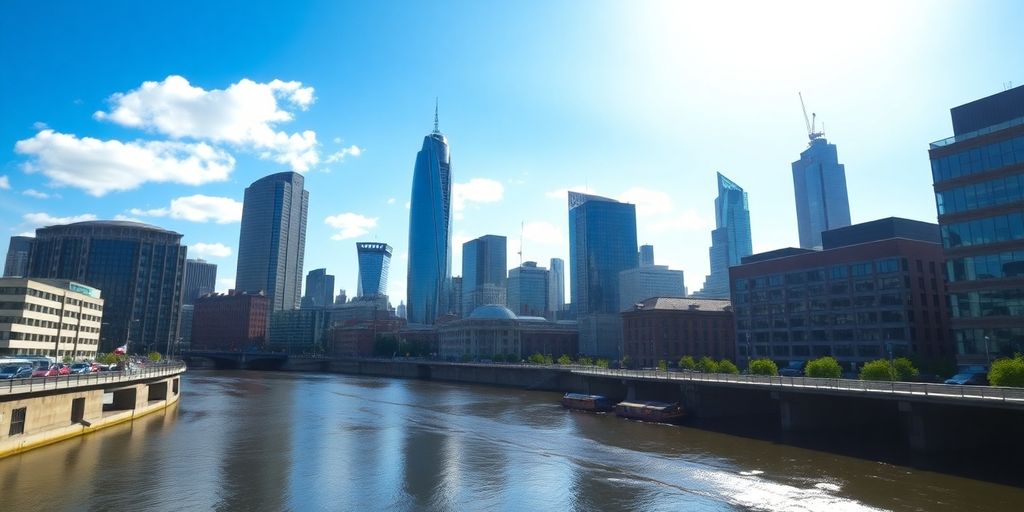
Manchester, a major city in the northwest of England, has a rich history that dates back to a small Roman settlement established around 79 AD. This settlement, known as Mamucium or Mancunium, was located near where the Irwell and Medlock rivers meet. Today, people from Manchester are often called Mancunians. The city’s growth really took off in the 19th century due to a boom in textile manufacturing, which led to it gaining city status in 1853. Beyond its industrial past, Manchester is now recognized for many things, including its successful football clubs.
Population Overview
When looking at the city itself, Manchester’s population is around 470,405. However, if you consider the wider metropolitan area, the population is much larger. This broader view gives a better sense of the city’s overall size and influence. The metropolitan area of Manchester, often referred to as Greater Manchester, includes several surrounding towns and boroughs. This larger region functions as a single economic and social unit, making its combined population a more accurate reflection of the urban footprint. Understanding this distinction is key to grasping the true scale of Manchester’s urban presence.
Historical Growth
Manchester’s journey from a Roman fort to a major industrial hub is quite remarkable. The textile industry, particularly cotton, transformed the city, attracting many people seeking work. This rapid industrialization brought both prosperity and challenges, shaping the city’s character and infrastructure.
Here’s a look at its development:
- Roman Origins: The initial settlement provided a strategic point for Roman control in the region.
- Medieval Development: After the Romans, Manchester remained a market town, slowly growing through trade.
- Industrial Revolution: The 18th and 19th centuries saw an explosion in textile production, making Manchester a global leader in manufacturing.
- Post-Industrial Era: Following the decline of traditional industries, Manchester has reinvented itself as a center for culture, media, and education.
Manchester is projected to see significant population growth, with estimates suggesting an 11% increase by 2032, indicating its continued importance as a major urban center. This growth is a testament to its ongoing transformation and appeal. Manchester population growth is a key indicator of its future standing.
4. Leeds-Bradford
The Leeds-Bradford conurbation, a significant urban area in West Yorkshire, holds its place as one of the UK’s largest cities. This region’s story is deeply tied to the Industrial Revolution, especially its role in textile manufacturing. Its population density really shows how it grew as a center for business and trade.
The area’s growth was fueled by its natural resources and strategic location, allowing for the development of canals and railways that connected it to other parts of the country. This infrastructure was vital for transporting goods and raw materials, contributing to the region’s economic prosperity.
Here’s a look at some of the key urban centers within West Yorkshire:
- Leeds: Often seen as the unofficial capital of West Yorkshire, Leeds is a major financial and commercial hub. It started as a small settlement and grew into a large industrial city, famous for its wool and textile businesses. Today, it’s a lively city with a varied economy, including strong sectors in retail, finance, and digital technology. The city’s Kirkgate Market is one of Europe’s largest covered markets.
- Bradford: Historically a powerhouse of the wool industry, Bradford’s growth during the 19th century was remarkable. It became known as the "wool capital of the world." While its industrial makeup has changed, Bradford remains a city with a strong cultural identity and a diverse population. It’s home to the National Science and Media Museum.
Here’s a look at some population estimates for key towns within the wider Leeds-Bradford area:
| City/Town (within West Yorkshire) | Estimated Population (2023) |
|---|---|
| Leeds | 812,000 |
| Bradford | 542,000 |
| Wakefield | 353,000 |
| Huddersfield | 163,000 |
| Halifax | 92,000 |
Population figures for 2025 indicate shifts in where people are choosing to live and work. While some cities retain their top rankings, others are experiencing significant growth, reflecting changing demographic and economic trends across the UK.
5. Glasgow
Glasgow, Scotland’s most populous city, has a history stretching back centuries. Founded by St. Mungo in the sixth century, it grew into a major global center during the Industrial Revolution. The city was particularly known for its textile, chemical, and shipbuilding industries, with famous vessels like the Cutty Sark and QE2 being constructed here. While the city proper has a population of around 635,130, its wider metropolitan area is home to over 1.5 million people.
Glasgow’s modern identity is just as compelling, recognized as one of Europe’s great cultural cities. It boasts a lively arts scene, striking architecture, and a friendly atmosphere. The city has successfully shifted from its industrial roots to a varied economy, with strengths in finance, tourism, and education.
Key Aspects of Glasgow
- Its location on the River Clyde was important for trade and shipbuilding.
- The city showcases architectural styles from its Victorian and Edwardian periods, featuring grand public buildings and distinctive tenements.
- Glasgow is committed to green spaces, with many parks and gardens spread throughout the urban area.
Glasgow Population Trends
| Year | Estimated Population (City Proper) |
|---|---|
| 2020 | 632,350 |
| 2021 | 633,870 |
| 2022 | 635,130 |
Glasgow’s transformation from an ancient settlement to an industrial hub and now a cultural center shows its ability to adapt and its lasting appeal. The city’s capacity to reinvent itself while honoring its past makes it an interesting example of urban growth.
Glasgow remains a significant urban area within the United Kingdom’s largest cities, playing a key role in Scotland’s economy and cultural life. Its continued growth reflects its standing as a dynamic European city.
6. Liverpool
Liverpool, a city with a rich history and a vibrant present, stands as a major population center in the UK. It’s known globally for its music scene, particularly its association with The Beatles, but it’s also a significant economic and cultural hub.
The city’s population makes it a key player in the UK’s urban landscape.
Here’s a look at its estimated population figures:
| City | Population |
|---|---|
| Liverpool | 864,122 |
Liverpool’s influence extends beyond its immediate borders, acting as a focal point for the wider Liverpool City Region. This area benefits from the city’s infrastructure and economic activity.
The city’s maritime history is a big part of its identity, with the historic waterfront being a UNESCO World Heritage site. This connection to the sea has shaped its development over centuries.
Key aspects of Liverpool’s standing include:
- A strong cultural identity, evident in its numerous museums and galleries.
- A significant contribution to the UK’s economy through various sectors.
- A well-connected transport network, linking it to other major UK cities.
Understanding the population of Liverpool helps paint a clearer picture of its importance within the United Kingdom.
7. Southampton-Portsmouth
Southampton, a major port city on England’s south coast, holds a significant place in the UK’s urban landscape. Its history is deeply connected to the sea, famously serving as the departure point for the Titanic in 1912 and playing a vital role in maritime activities throughout history. Today, it continues as a bustling commercial port and a popular destination for cruise liners.
The city’s economy is quite varied, with strong sectors in retail, education, and healthcare, in addition to its traditional maritime industries. Southampton is also home to two universities, which bring a youthful energy and contribute to the city’s cultural vibrancy.
Key Facts About Southampton
- Location: Situated on the south coast of England, right on Southampton Water.
- Historical Significance: A major port for many years, recognized for its important role in maritime history.
- Modern Economy: A mix of port activities, retail, education, and healthcare services.
Population Trends
Southampton has experienced steady population growth. This increase is due to a few things:
- Migration: People move to Southampton for job opportunities, education, and a certain way of life.
- Birth Rates: The city’s younger population contributes to natural population increases.
- Urban Development: Ongoing projects for housing and infrastructure are making space for more residents.
Cultural and Recreational Aspects
Southampton offers a good range of cultural and recreational activities. You’ll find numerous parks, museums, and art galleries. The Mayflower Theatre is a well-known spot for touring shows and concerts. For sports enthusiasts, Southampton is home to a Premier League football club, Southampton FC.
- Arts and Culture: Key places include the Mayflower Theatre, SeaCity Museum, and Southampton City Art Gallery.
- Green Spaces: Plenty of parks and open lands are available for recreation.
- Shopping: The Westquay shopping center is a major retail hub.
Future Outlook
Southampton continues to grow, with plans for more regeneration in its waterfront and city center areas. The city aims to attract more businesses and residents, strengthening its position as a key urban center in southern England urban center. Its strategic location and continued investment suggest ongoing growth and importance within the UK.
Portsmouth Overview
Portsmouth, located on the south coast of England, is a historic naval city and island town. It’s known for its maritime heritage, particularly its association with the Royal Navy. The city is a significant economic hub for the region, with a strong presence in defense, marine, and tourism sectors.
| City | Population (approx.) |
|---|---|
| Southampton | 246,201 |
| Portsmouth | 194,150 |
The combined metropolitan area of Southampton and Portsmouth forms a significant conurbation on the south coast, contributing substantially to the regional economy and population density. Their proximity and interconnectedness make them a notable urban region within the UK.
8. Newcastle
Newcastle upon Tyne, often just called Newcastle, is a city in Northeast England with a long history. It’s known for its industrial past, especially coal mining and shipbuilding, but today it’s a vibrant hub for culture, education, and business. The city sits on the River Tyne, and its iconic bridges are a big part of its skyline.
Newcastle’s population is projected to be around 192,382 in 2025, making it a significant urban center in the UK. The city has a lively atmosphere, with a good nightlife and plenty of shops and restaurants. It’s also a gateway to the beautiful Northumberland coast and countryside.
Key Facts about Newcastle
- Location: Northeast England, on the River Tyne.
- Historical Significance: Major industrial center, particularly for coal and shipbuilding.
- Modern Identity: Known for culture, education, and a busy city life.
- Connectivity: Well-connected by road, rail, and air, making it easy to reach.
What to See and Do
Newcastle offers a mix of old and new attractions. You can explore the historic Castle Keep, wander through the Grainger Town area with its neoclassical architecture, or visit the Baltic Centre for Contemporary Art. The Quayside area is popular for its restaurants, bars, and weekend markets. For sports fans, St James’ Park, home to Newcastle United Football Club, is a major landmark.
The city’s friendly locals, often called ‘Geordies’, are a big part of its charm. They’re known for their warm welcome and distinct accent, adding to the unique character of Newcastle.
Understanding Newcastle’s Size
When we talk about the size of cities, it’s important to consider different definitions. Sometimes, it refers to the city proper, and other times it includes the wider urban area or metropolitan region. For this list, we’re looking at the population within the main city boundaries. Newcastle’s position on this list reflects its standing as a major regional capital.
Nearby Areas
While Newcastle itself is a significant city, it’s part of a larger conurbation in the Tyneside area. Neighboring areas like Gateshead, directly across the river, are closely linked and contribute to the overall urban fabric. Understanding these connections helps paint a clearer picture of the region’s population distribution. The population of Newcastle upon Tyne is a key figure in this regional context.
9. Nottingham
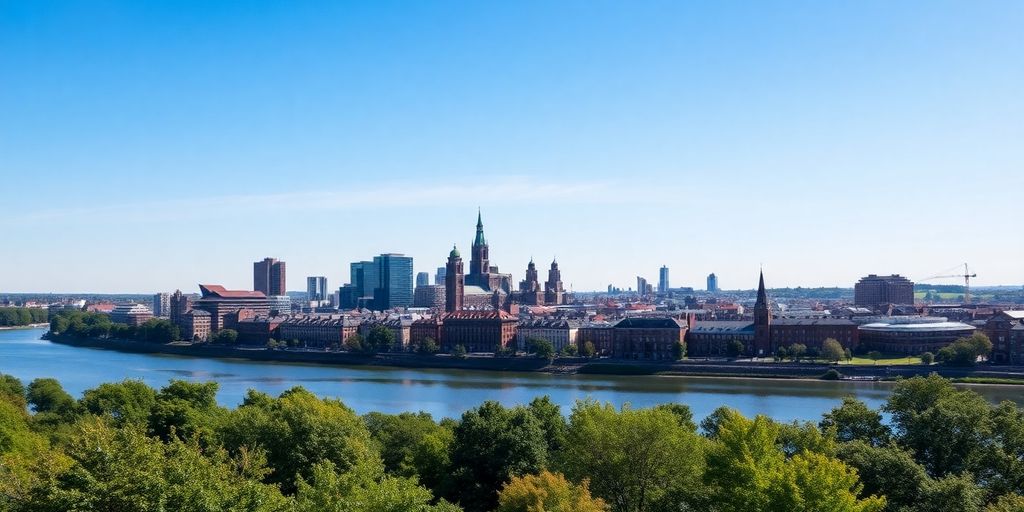
Nottingham, situated in the East Midlands, is a significant urban area within the UK. Its Functional Urban Area (FUA) population is recorded at 919,484, making it the largest FUA in its region. This figure really shows how far the city’s influence stretches, including the areas people commute from. When you look at the wider metropolitan area, which also includes Derby, the population is even larger, pointing to a strong economic and social connection across the region. Nottingham’s blend of historical significance and ongoing development solidifies its position as a key city in the UK.
Nottingham’s history is quite interesting, from its connection to the Robin Hood legend to its past as a center for lace making and bicycle production. Today, it’s a modern city with a varied economy. Key sectors include retail, finance, and education. The city’s two universities bring in a lot of students, which adds to its lively atmosphere and overall growth.
Nottingham Population Breakdown
Here’s a look at some population figures for Nottingham and its surrounding areas:
- City of Nottingham (Local Authority District): Approximately 330,000 residents.
- Nottingham Urban Area: Around 730,000 residents, covering the continuous built-up area.
- Nottingham Functional Urban Area: 919,484 residents, representing the broader economic and commuting zone.
Nottingham’s location and its role as a regional hub for various industries and services help maintain its population size. The city keeps changing, with new projects and infrastructure investments aimed at making it a better place to live and work. Major employers and educational institutions also draw people to the area. The city’s cultural offerings, like its theaters, music venues, and museums, add to its appeal, making it a vibrant spot for both residents and visitors. Nottingham’s population is a testament to its enduring appeal and importance in the UK’s urban landscape.
Nottingham has a rich history, from its association with the legend of Robin Hood to its industrial past, particularly in lace making and bicycle manufacturing. Today, it’s a modern city with a diverse economy, including strong sectors in retail, finance, and education. The city’s two universities attract a large student population, adding to its dynamic character and contributing to its overall growth and vibrancy.
10. Sheffield
Sheffield, a city with a rich industrial past, particularly in steel production, continues to be a significant urban center in the UK. While its manufacturing base has evolved, the city remains a hub for innovation and culture.
Sheffield’s population has seen a slight increase, reflecting its ongoing development. The city is known for its green spaces, with a large portion of its area falling within the Peak District National Park, offering residents and visitors unique access to nature.
Population
Sheffield’s population was recorded as 556,500 individuals across 232,000 households at the most recent census. This represents a 0.7% increase compared to the 2011 census figure of 552,698. This growth, though modest, indicates a stable and growing urban environment.
Key Features
- Green City: Often called the "greenest city in Europe," Sheffield boasts over 250 parks and woodland areas.
- Cultural Hub: Home to world-class cultural venues like the Sheffield Theatres and the Millennium Gallery.
- Economic Diversity: Beyond its historical steel industry, Sheffield has developed strong sectors in advanced manufacturing, digital technology, and creative industries.
The city’s commitment to regeneration is evident in its revitalized industrial areas, now housing modern businesses and residential spaces. This transformation is a testament to Sheffield’s adaptability and forward-looking approach.
Notable Aspects
Sheffield’s transformation from an industrial powerhouse to a modern city is a story of resilience. The city has actively worked to redevelop its former industrial sites, creating new opportunities and improving the urban landscape. This focus on renewal has helped maintain its position as a major UK city. The city’s commitment to urban regeneration is a key factor in its continued relevance.
Wrapping Up the UK’s Biggest Cities
So, there you have it – a look at the UK’s largest cities as of 2025. London really is in a league of its own, as expected. But it’s also interesting to see how other major hubs like Birmingham and Manchester stack up. Population shifts are always happening, and these numbers give us a snapshot of where people are choosing to settle down and build their lives. Whether you’re planning a move or just curious about the country’s urban landscape, understanding these population figures helps paint a clearer picture of the UK’s most populated areas.
Frequently Asked Questions
Which UK city is the largest?
London is by far the biggest city in the UK. It has almost 10 million people, which is way more than any other city.
What are some of the other large cities in the UK?
The list includes major cities like Birmingham, Manchester, and Glasgow. It shows where most people live and work in the UK.
Do city populations change much?
Yes, some cities have stayed popular places to live, while others have grown a lot and moved up the list. It shows how populations change.
What does ‘largest city’ mean in this list?
These numbers show the biggest city areas where lots of people live. This includes places from England, Scotland, and other parts of the UK.
Where does the population information come from?
The data used is based on the most recent population estimates for 2025, showing where people are choosing to settle.
Does this list include cities from all over the UK?
Yes, the list covers major urban centers across the entire United Kingdom, highlighting the most populated areas.


